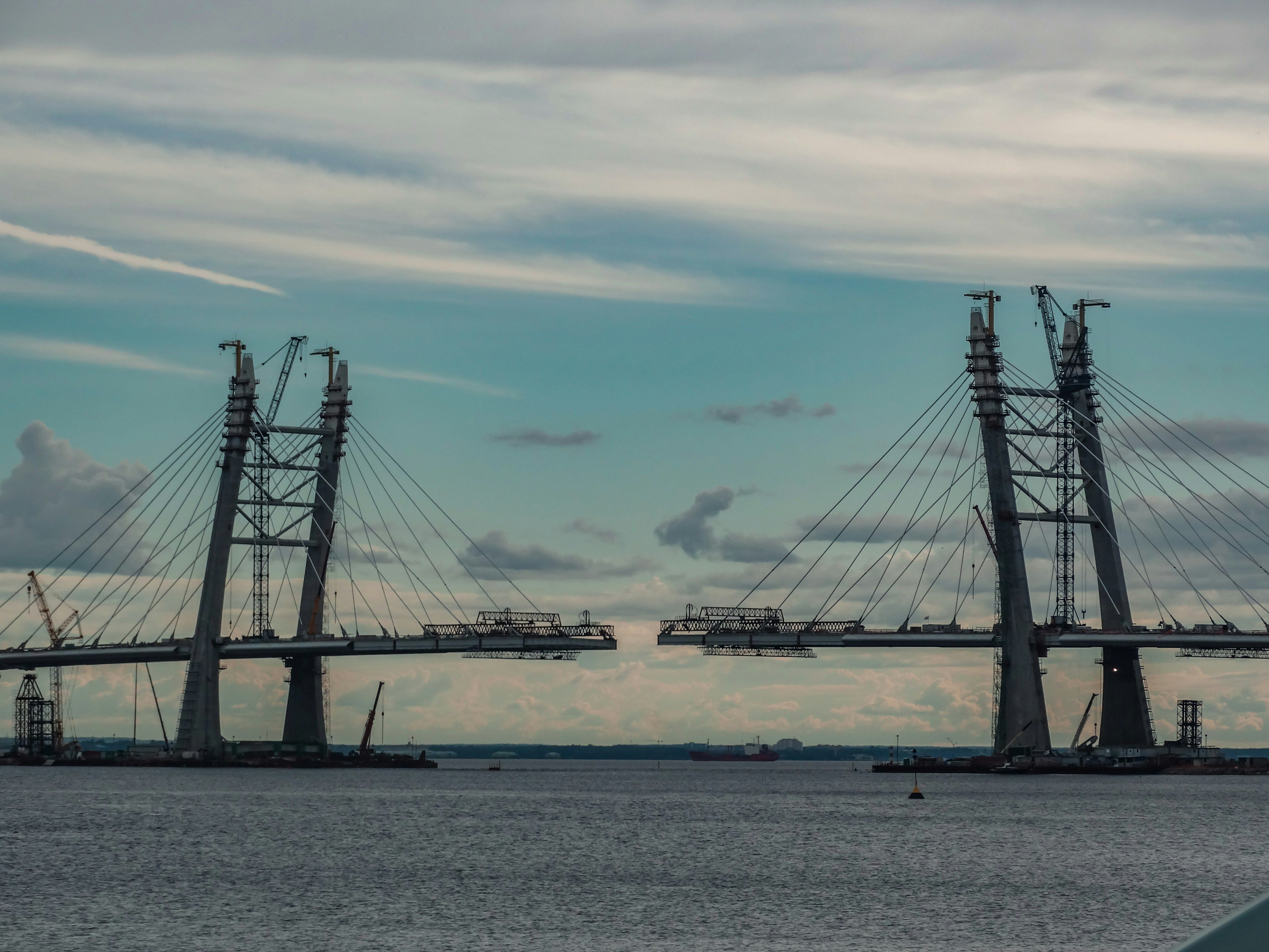
In 1998, Daimler and Chrysler announced a "merger of equals" that was meant to be a masterclass in global scale. Nine years later, Daimler sold Chrysler for a single dollar. The merger, which was projected to create $35 billion in value, ended up destroying nearly everything both companies had built independently.
The post-mortems cite bad strategy and poor leadership transitions, but the real culprit was more fundamental: the informal networks never integrated. The German and American organisational cultures—their unwritten rules, their views on hierarchy, and their decision-making habits—created a daily friction that no formal integration plan could resolve.
The org charts merged, but the people did not.
Why Cultural Due Diligence is an Afterthought
When a major acquisition is on the table, financial due diligence is exhaustive. Teams spend months scrutinising balance sheets, cash flow projections, and liability structures to surface every possible risk.
In contrast, cultural due diligence is often reduced to a few management interviews and a cursory review of employee engagement surveys. The risk that killed DaimlerChrysler—the collision of two incompatible informal networks—is completely invisible to these instruments.
Engagement surveys only tell you what people are willing to say to their employer. Interviews only tell you what senior leaders think is happening. Neither surfaces the informal network. Neither identifies the bridge-builders or the structural "holes" where collaboration will inevitably break down. Organisational Network Analysis (ONA) makes this data visible, and in the high-stakes world of M&A, the cost of not using it is measured in billions of pounds.
The Architecture of "Us vs Them"
When two organisations merge, informal networks do not automatically blend. They do something much more instinctive: they defend.
Over years, employees build trust relationships and collaborative norms that act as practical tools for getting work done. A merger announcement is an immediate threat to those tools. Suddenly, the manager whose style you understood and the informal "shortcuts" you used to get decisions made are gone.
The rational human response is to retreat to the familiar. Acquiring employees stick to their old circles; the acquired employees do the same. On paper, it is one company. In reality, it is two tribes guarding their boundaries and viewing the "other" with suspicion. This is not malicious; it is a human defense mechanism, and it is the primary engine of value destruction.
Finding the Bridge-Builders
In every merger, certain individuals are naturally positioned to bridge the divide. These are people comfortable with ambiguity, often with experience in multiple organisations, who possess the social intelligence to build trust across unfamiliar contexts.
These bridge-builders are the most valuable assets in an integration. They are not necessarily the most senior or the most technically gifted, but they are structurally essential for turning two networks into one.
ONA identifies these people within weeks of a deal closing. The data reveals who is reaching out across organisational boundaries, who is being sought for advice by new colleagues, and who is appearing in both legacy networks. By finding these influencers and giving them the resources to do their work, companies can integrate significantly faster and with far less friction.
Manufacturing Serendipity
In organisational science, "manufacturing serendipity" refers to the deliberate design of conditions where informal connections can form. Serendipity is not an accident; it is the result of creating an environment where cross-boundary interaction is the path of least resistance.
In an integration, this means:
- Mixed project teams: Placing people from both legacy firms into high-stakes, collaborative problem-solving roles immediately.
- Shared spaces: Designing both physical and virtual environments that force the two networks into proximity.
- Leadership modelling: Senior leaders from both sides must be seen explicitly valuing the integration and building their own cross-boundary trust.
The Bottom Line
Without intentionality, the default organisational state is tribal. And the tribal default is expensive. If you focus only on the financial mechanics of a merger while ignoring the informal architecture of your people, you aren't building a global powerhouse—you are just managing a very expensive collision. Culture is not a "soft" issue; it is a structural one. If you want a merger to succeed, map the networks, find the bridge-builders, and design for connection from day one.